

-
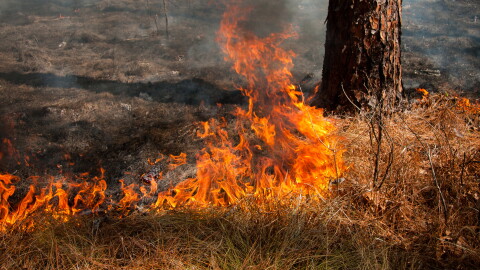 Nathan - stock.adobe.com/643240619A blackened forest floor can look damaged at first glance. But when the fire was carefully planned and controlled, that dark ground may be the beginning of renewal.
 -
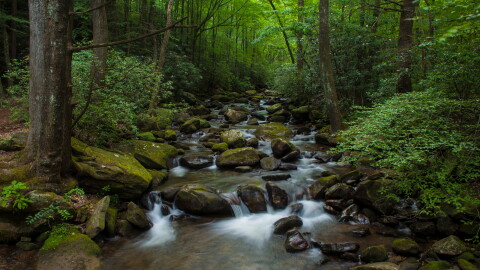 Wollwerth Imagery - stock.adobe.com/86389753On a cloudy day in the South Carolina mountains, you can sometimes watch fog gather along the ridges and disappear into the trees. That moisture is part of what makes the northwestern corner of our state so different.


-
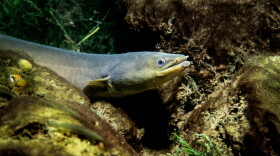 An American eel moving through a dark South Carolina creek may not look like a world traveler, but its life connects that small stream to the middle of the Atlantic Ocean.
 -
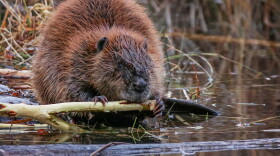 I once found a freshly cut sapling beside a small stream, its base marked with clean tooth grooves. Somewhere nearby, a beaver was reshaping the landscape one branch at a time.
 -
 From the ground, a Carolina bay may look like an ordinary pond, wet meadow, or patch of woods. From above, its shape becomes clear - a shallow, oval depression set into the Coastal Plain.
 -
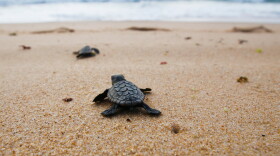 Walking a South Carolina beach early in the morning, you may find wide tracks leading from the ocean to the dunes. Those tracks can mark the place where a loggerhead sea turtle came ashore to nest.
 -
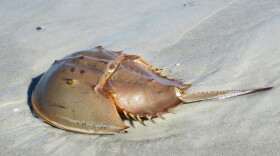 On certain spring nights, especially around the higher tides, horseshoe crabs crawl into quiet bays and inlets along the South Carolina coast.
 -
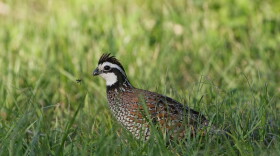 At first light in an old field, you may hear a clear two-note whistle: bobwhite quail. It is one of the most familiar sounds in the South, but the habitat behind that call is easy to overlook.
 -
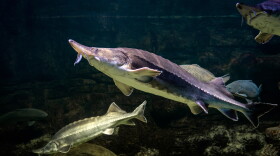 Every now and then, a South Carolina river gives you a glimpse of something ancient. Atlantic sturgeon are long, powerful fish covered with rows of hard, bony plates instead of ordinary scales.
 -
 I watched a wood stork feeding in a shallow wetland not long ago. It moved slowly, sweeping its open bill from side to side through the water.
 -
 I was walking beside a Lowcountry tidal creek recently and noticed a rough line of oyster shell at the water's edge. It may not look like much from a distance, but an oyster reef is a living neighborhood.
 -
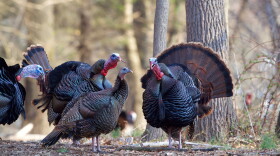 South Carolina is home to the Eastern wild turkey, and thanks to decades of conservation and restoration work, turkeys are now found in every county in the state.


